

Impacted Canines and Expose and Bond Treatment
A Coordinated Surgical Step to Guide Canine Teeth Into Proper Position
Canine teeth play a critical role in both function and appearance. When these teeth do not erupt into the correct position, surgical and orthodontic care may be needed to guide them into place. At Implant & Oral Surgery of Columbus, treatment for Impacted Canines focuses on preserving the natural tooth and supporting proper alignment through an expose and bond procedure.
Expose and bond canine teeth is a carefully planned surgical step that works in coordination with orthodontic treatment. This approach helps guide impacted canine teeth into their proper position within the dental arch, supporting long-term oral health, function, and stability.
Understanding Impacted Canines
An impacted tooth is a tooth that is unable to erupt into its normal position. While wisdom teeth are the most commonly impacted teeth, maxillary canines, often called eye teeth, are the second most common teeth affected by impaction.
Canine teeth are essential for guiding the bite and supporting the alignment of the front teeth. They have long roots and play a crucial role in chewing and overall dental balance. When a canine tooth becomes impacted, it may remain trapped beneath the gum line or within the bone of the upper jaw.
Impacted canines may be positioned toward the roof of the mouth, within the bone near the roots of adjacent teeth, or toward the front of the dental arch. Each position requires careful evaluation to determine the most appropriate treatment options.
Why Treating Impacted Canines Matters
Leaving an impacted canine untreated can lead to dental problems over time. These may include damage to nearby teeth, root resorption of the lateral incisor, misalignment, and oral health problems that affect long-term function.
Early detection and early intervention play a crucial role in successful treatment. Addressing impacted canine teeth helps guide them into the correct position, supports proper bite alignment, and reduces the risk of potential complications.
Treatment also helps preserve the natural tooth, which is typically the most desirable approach when managing canine impaction.
Signs and Causes of Canine Impaction
Several factors can contribute to canine impaction. A lack of space in the dental arch, retained baby teeth, dental crowding, or abnormal eruption paths can prevent permanent canines from emerging properly.
Common signs of impaction may include:
- A missing adult canine tooth after the expected eruption age.
- Retained baby tooth in the canine position.
- Swelling or tenderness in the affected area.
- Changes in the position of nearby front teeth.
Radiographic examinations are often the first step in identifying impacted canine teeth, allowing dental professionals to assess the position of the impacted canine and surrounding structures.
How Expose and Bond Treatment Works
Expose and bond canine teeth is a combined surgical and orthodontic process. The goal is to gently guide the impacted tooth into its proper place rather than removing it.
Once enough space has been created by an orthodontist, the oral surgeon performs a surgical procedure to expose the impacted canine tooth. During this procedure, gum tissue is carefully lifted to access the tooth. A small orthodontic bracket is then bonded directly to the exposed tooth, often with a gold chain attached.
The chain is guided back toward the orthodontic arch wire, allowing controlled traction to be applied over time. This slow, guided movement helps bring the canine tooth into its correct position within the dental arch.
What Happens During the Surgical Procedure?
Expose and bond treatment is typically performed as an outpatient oral surgery procedure. The type of anesthesia used depends on patient comfort and treatment needs, though most cases are completed with local anesthesia. Sedation options may be discussed during consultation if appropriate.
The surgical site is managed carefully to minimize discomfort and support healing. In some cases, the gum tissue is repositioned and sutured, leaving only the chain visible. In other cases, a small window is created in the gum to allow the tooth to erupt more freely.
The procedure itself is usually completed in under an hour for a single impacted canine tooth.
How Orthodontics and Oral Surgery Work Together
Successful treatment of impacted canines relies on close collaboration between the orthodontist and oral surgeon. Orthodontic techniques create enough space in the dental arch, while surgical techniques allow access to the impacted tooth.
After surgery, patients return to their orthodontist to begin applying gentle force to guide the tooth along its eruption path. This process is gradual and may take several months, depending on the position of the impacted canine and the patient’s age.
This coordinated approach supports successful treatment and long-term alignment.
How Long Does Treatment Take?
The timeline for treating impacted canines varies. In younger patients, early diagnosis and space creation may allow the tooth to erupt more naturally. In older patients, the tooth may require more active guidance.
Once the expose and bond procedure is completed, orthodontic movement can take several months to a year. The goal is steady, controlled movement that protects surrounding teeth and oral tissues.
Regular follow-up visits allow dental professionals to monitor progress and adjust treatment as needed.
What Are the Risks and Considerations?
As with any surgical procedure, there are potential risks to consider. These may include swelling, discomfort, or temporary irritation at the surgical site. In rare cases, complications such as root resorption or delayed eruption may occur.
Careful planning, radiographic evaluation, and expert care help reduce these risks. Following post-operative instructions and attending follow-up visits are important parts of successful treatment.
Who Is a Candidate for Expose and Bond Treatment?
Patients of all ages may be candidates for expose and bond canine teeth, though early diagnosis often leads to more predictable outcomes. Children and adolescents benefit from early orthodontic evaluation, while adults may still achieve successful results with proper planning.
In some rare cases, if the impacted canine cannot be moved safely, alternative treatment options may be discussed. Preserving the natural tooth remains the preferred course of action whenever possible.

A Thoughtful Surgical Approach at Implant & Oral Surgery of Columbus
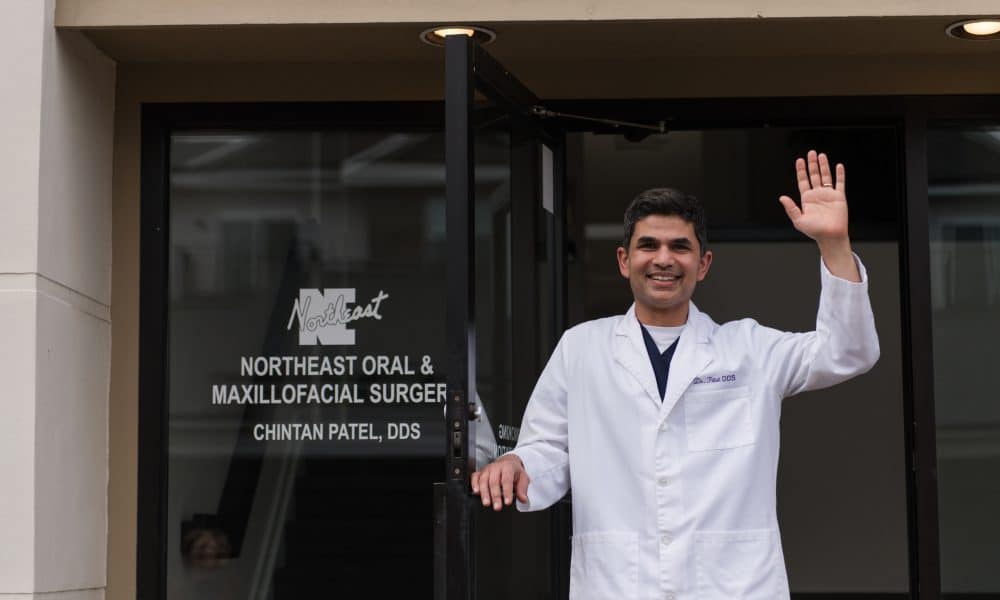
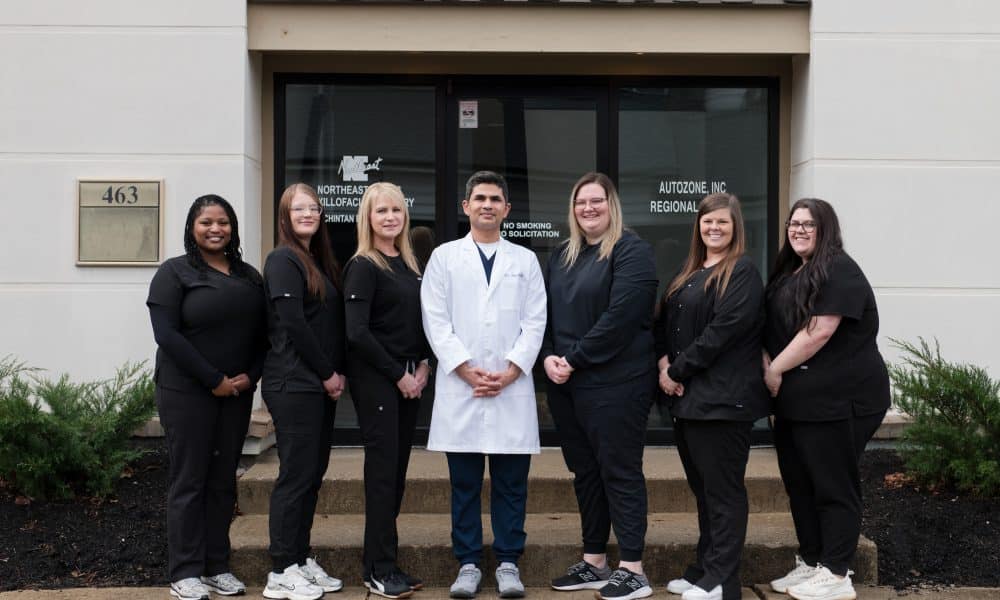
At Implant & Oral Surgery of Columbus, expose and bond treatment is approached with precision, experience, and clear communication. Dr. Chintan Patel works closely with referring orthodontists to ensure each treatment plan is tailored to the patient’s needs and long-term oral health goals.
Patients are guided through each step with clarity, from the first visit through healing and orthodontic follow-up.
Schedule a Consultation for Impacted Canine Treatment
If you or your child has been diagnosed with an impacted canine tooth or referred for expose and bond treatment, the team at Implant & Oral Surgery of Columbus is here to help. Early evaluation and coordinated care can make a meaningful difference in treatment success.
Contact Implant & Oral Surgery of Columbus today to schedule a consultation and learn how expose and bond treatment can help guide impacted canine teeth into proper alignment.
Schedule Appointment
We look forward to helping you with your care. Please complete the form and a member of our team will contact you shortly to confirm your appointment details. If you are experiencing a dental emergency, please call our office directly for immediate assistance.
Impacted Canines and Expose and Bond FAQ
At what age are impacted canine teeth usually discovered?
Impacted canines are often identified during routine dental exams or orthodontic evaluations in the early teenage years. Imaging may show that a permanent canine is not erupting as expected, allowing dental professionals to plan treatment before alignment problems become more complex.
Will the exposed canine look normal once treatment is complete?
In many cases, once the impacted canine has been guided into position and orthodontic treatment is finished, the tooth functions and appears similar to other natural teeth in the smile. The goal of expose and bond treatment is to preserve the natural tooth and bring it into proper alignment within the dental arch.
Is expose and bond treatment common for orthodontic patients?
Yes. Expose and bond procedures are a well-established part of orthodontic care when a canine tooth does not erupt on its own. Oral surgeons and orthodontists frequently work together to guide impacted canines into position using this coordinated approach.
What happens if an impacted canine is not treated?
If an impacted canine remains untreated, it may affect the alignment of nearby teeth or remain trapped in the jaw. In some cases, it may also place pressure on surrounding tooth roots or contribute to crowding within the dental arch.
How should patients care for the surgical area after an expose and bond procedure?
Patients are typically advised to keep the area clean with gentle oral hygiene and follow the post-operative instructions provided by the surgical team. Mild swelling or tenderness may occur for a short time after surgery, and follow-up visits with both the oral surgeon and orthodontist help ensure the tooth moves safely into place.