


Wisdom Teeth Removal
A Calm, Predictable Plan for a Smooth Recovery
Wisdom teeth are the third molars, also called the third set of molars or the last set of molars. They develop in the back of your mouth in the late teens through the early 20s. For some people, wisdom teeth erupt normally and can be kept clean. For many young adults, there is not enough room or enough space for these teeth to come in fully, which can lead to oral health issues over time.
At Implant & Oral Surgery of Columbus, we approach Wisdom Teeth Removal with careful planning and a strong focus on comfort level and safety. Your oral surgeon will evaluate your medical history, review your health information, and take the right imaging to understand the position of your wisdom teeth and the nearby teeth. From there, we can discuss whether observation makes sense or whether removal of wisdom teeth is the best way to protect the rest of your teeth and future oral health.
Why Wisdom Teeth Are Often Removed
Wisdom teeth are located behind your second molars in the back of the mouth. When there is not enough room, they may become trapped in the gum tissue or surrounding bone causing dental problems that affect your bite, your gums, and adjacent teeth.
Removing wisdom teeth can help prevent:
- Tooth decay on the wisdom tooth or nearby teeth.
- Gum disease around the extraction site and surrounding gum tissue.
- Bad breath or a bad taste from inflammation or trapped debris.
- Pressure and damage to adjacent teeth.
- Future oral health problems that can become more complex cases later in life.

Many dental professionals recommend evaluation in the teenage years or early adulthood because healing tends to be smoother, recovery time is often shorter, and the risk of complications can be lower.
What to Expect at Your Consultation
A consultation helps us determine whether you will benefit from wisdom tooth removal and what type of surgical removal is appropriate. We will review your health care background, take the appropriate x-rays, and evaluate how your third molars relate to surrounding bone, gum tissue, and nearby teeth.
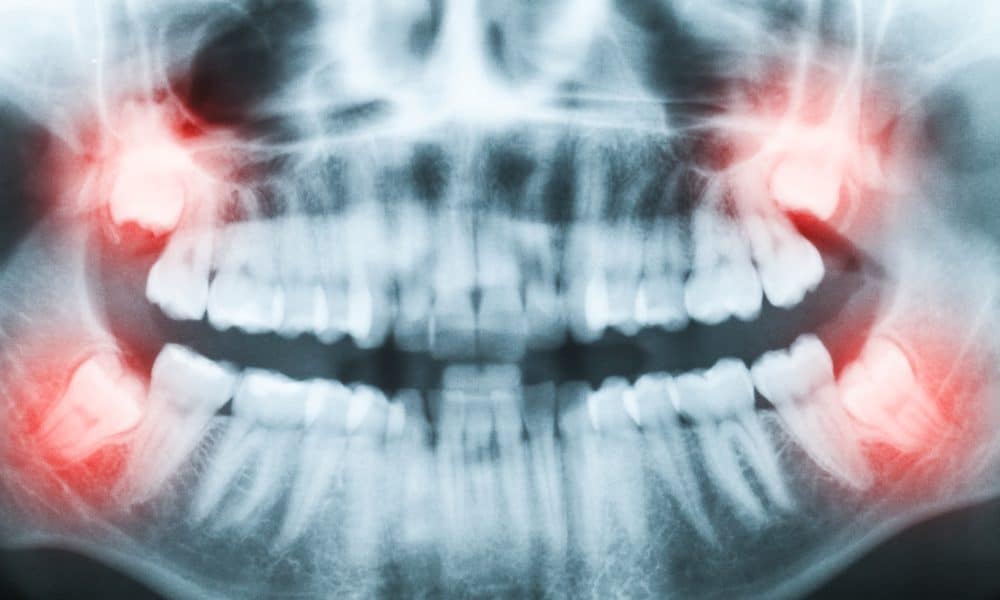
During your visit, we will discuss:
- The position of your wisdom teeth and whether they are impacted.
- Whether there is enough room for proper eruption and cleaning.
- The difficulty of the wisdom tooth extraction.
- Your type of anesthesia options, including local anesthesia and general anesthesia when appropriate.
- A clear plan for oral surgery, recovery, and follow-up.
We encourage questions. Knowing what to expect makes the process feel more manageable.
Anesthesia Options for Comfort
Wisdom teeth management should feel safe and predictable. Your oral surgeon will review your comfort needs and medical history to recommend the best approach.
Common options include:
- Local anesthesia to numb the area.
- Sedation options that help you feel relaxed during the dental procedure.
- General anesthesia for patients who prefer to be unaware during the surgical procedure or for more complex cases.

We focus on safety at every stage, with modern monitoring and an experienced team.
The Day of Your Wisdom Tooth Extraction
On the day of your procedure, we will review your plan, confirm anesthesia details, and keep the process calm and efficient. Many procedures take about 30 to 60 minutes, depending on the number of teeth and the position of your wisdom teeth.
After tooth extraction, you will rest in our care until you are ready to go home. You will need a responsible adult with you, and we recommend planning a quiet first day. Most patients return to normal activities within several days, though recovery time varies based on the extraction site and the surgical removal needed.
Impacted Wisdom Teeth
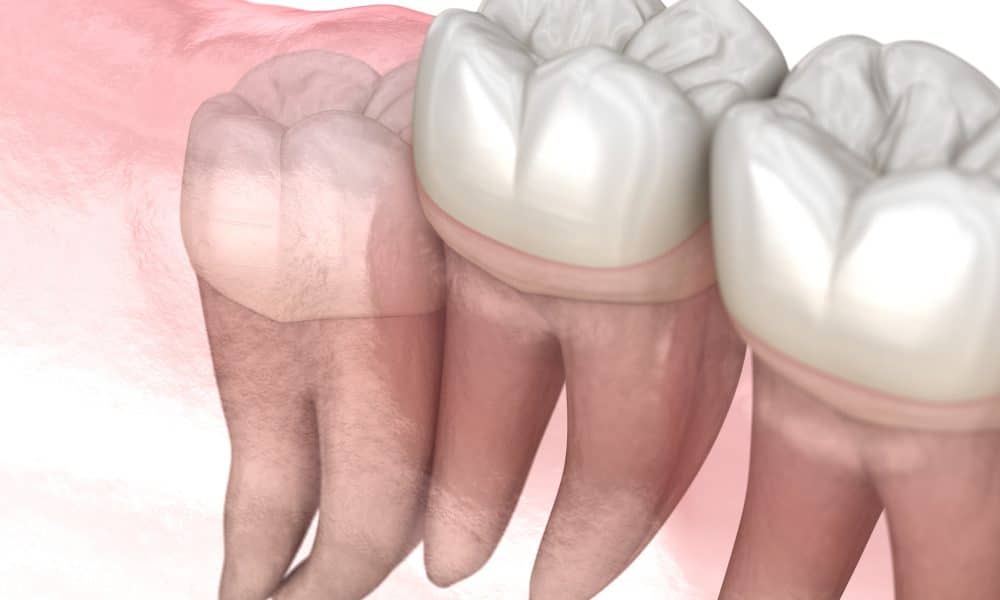
An impacted tooth is a tooth that is stuck and cannot erupt into the correct position. Impacted wisdom teeth are among the most commonly impacted teeth because the jaw often does not have enough room in the back of your mouth to fit the third molars.
When a wisdom tooth is impacted, it may be trapped under gum tissue, embedded in surrounding bone, or positioned against nearby teeth. These situations can increase the risk of dental complications and may require oral surgery for safe removal.
Common Types of Impaction
During your evaluation, we look closely at the position of your wisdom teeth and how much of the tooth is covered by gum tissue or bone.
Soft Tissue Impaction
Partial Bony Impaction
Complete Bony Impaction

Why Impacted Wisdom Teeth Can Cause Problems
When wisdom teeth do not erupt properly, they can lead to:
- Infection and gum inflammation around the gum line.
- Pressure on adjacent teeth.
- Tooth decay on nearby teeth that are difficult to clean.
- Bone loss around second molars.
- Cysts in rare cases.
Removing impacted wisdom teeth early in life often reduces the risk of complications and supports future oral health issues.
After Extraction of Wisdom Teeth
Most patients want a clear plan for the first day and the days that follow. We provide detailed post-op instructions so you know what to expect and what is normal.
The First 24 Hours
On the first day, mild bleeding and swelling are common. A blood clot forms in the extraction site, and protecting that clot supports healing.
Helpful first-day steps:
- Bite on gauze as directed to support clot formation.
- Use an ice pack or ice packs on the outside of the face to limit swelling.
- Rest and avoid strenuous activity.
- Pressure and damage to adjacent teeth.
- Start with soft foods and gentle liquids.
- Avoid straws and smoking to reduce the risk of dry socket.

Swelling, Discomfort, and Recovery Time
Swelling often peaks on the second day and begins to improve on the third day. Some stiffness in the jaw is common. Many patients feel more comfortable applying moist heat after the first day, depending on your instructions.
Discomfort ranges from mild soreness to more significant tenderness in some cases, especially when lower jaw extractions are involved. Pain control is typically managed with anti-inflammatory medications and prescriptions when needed.
Most young adults return to normal activities within a few days, though healing can vary depending on the surgical procedure and whether the wisdom teeth were impacted.
Possible Side Effects and When to Call
While wisdom teeth removal is a common procedure, there are potential complications. We review these during your consultation and remain available if concerns come up.
Potential issues include:
- Dry socket, often caused by early loss of the blood clot, usually between day three and five
- Infection, which may show as increased swelling, bad taste, or persistent discomfort
- Sinus pressure after upper wisdom tooth removal due to proximity to the sinus
- Nerve irritation in rare cases involving lower jaw teeth close to sensory nerves
If you experience severe pain, additional bleeding, or symptoms that feel unusual, call our office. We would rather you reach out early than try to guess what is happening.
Wisdom Teeth FAQ
When should I consider Wisdom Teeth Removal?
Do all wisdom teeth need to be removed?
Will I be awake during the dental procedure?
How long does wisdom tooth extraction take?
What can I eat after the removal of wisdom teeth?
What is dry socket?
How long is recovery time?
Schedule a Wisdom Teeth Consultation
If you or your teen has questions about wisdom teeth, impacted wisdom teeth, or whether removal makes sense now, the team at Implant & Oral Surgery of Columbus is here to help. We will walk you through your options, explain what your x-rays show, and create a plan focused on comfort, safety, and long-term oral health. Contact our office to schedule your consultation.
Schedule Appointment
We look forward to helping you with your care. Please complete the form and a member of our team will contact you shortly to confirm your appointment details. If you are experiencing a dental emergency, please call our office directly for immediate assistance.


Wisdom Teeth Removal FAQs
What are the warning signs that wisdom teeth may be causing problems?
Some patients notice symptoms such as jaw discomfort, swelling in the back of the mouth, difficulty opening the jaw fully, or irritation around the gum tissue near the last molars. In other cases, problems may develop without obvious symptoms, which is why dental imaging and regular evaluations are helpful for monitoring wisdom teeth.
Can wisdom teeth affect nearby teeth even if they are not painful?
Yes. Wisdom teeth can place pressure on adjacent teeth or create areas that are difficult to clean properly. This can increase the risk of cavities or gum inflammation around the second molars, even if the wisdom teeth themselves are not causing noticeable pain.
Is wisdom teeth removal more difficult later in life?
Wisdom teeth can often be removed at different ages, but younger patients typically heal more quickly because the roots may not be fully developed and the surrounding bone is more flexible. As patients get older, the teeth and bone structure can become more firmly established, which may make the procedure slightly more complex.
How should I prepare for wisdom teeth surgery?
Preparation often includes arranging transportation home after the procedure, following fasting instructions if anesthesia will be used, and planning a few days of lighter activity during recovery. Your surgical team will provide detailed instructions so you feel prepared before the day of surgery.
Will removing wisdom teeth change my bite or the alignment of my teeth?
Wisdom teeth removal generally does not change the alignment of the rest of the teeth. In many cases, removal helps protect nearby teeth from pressure or crowding that can occur when there is not enough room for the third molars to erupt properly.