



Dental Implants in Columbus
A Trusted Path to Tooth Replacement
Replacing missing teeth plays an important role in protecting oral health, facial structure, and daily comfort. At Implant & Oral Surgery of Columbus, dental implant care is planned and performed with precision, safety, and long-term function in mind. Implant treatment focuses on restoring strength, stability, and the appearance of your smile while supporting the function of natural teeth around it.
Dental Implants are designed to replace the artificial tooth root beneath the gum tissue, allowing a dental prosthetic or crown to sit securely at the top of the implant. This approach supports bone density, limits bone loss, and creates a permanent solution that feels closer to real teeth than removable dentures or a traditional dental bridge.
Every treatment plan begins with a detailed examination, review of medical history, and a discussion of tooth replacement options. From there, your oral surgeon develops a personalized treatment plan based on bone structure, healing needs, and long-term goals.
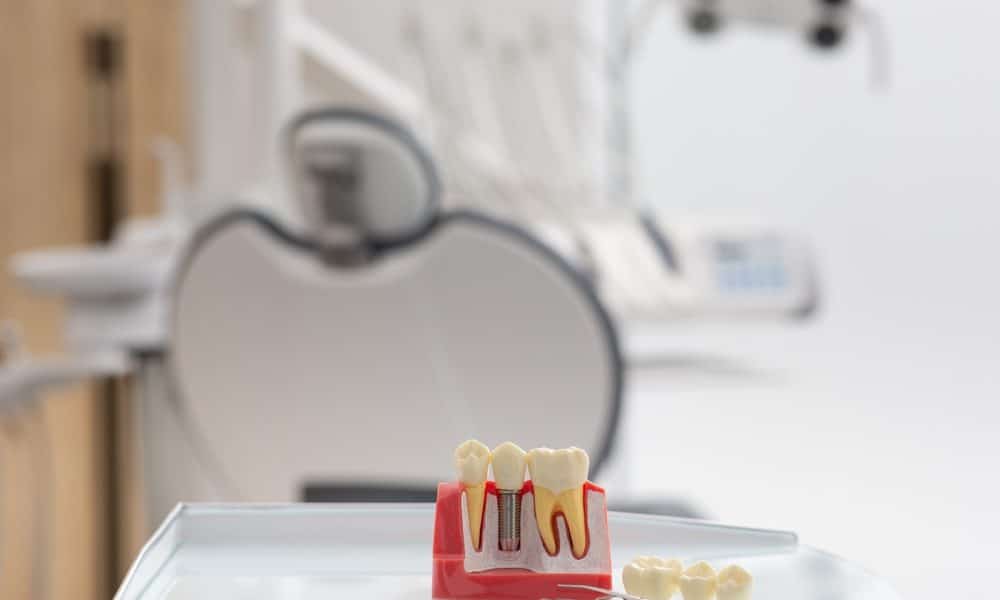
Overview of Implant Placement
Dental implant placement is a carefully planned surgical procedure completed in stages. The first step involves placing a small titanium post into the lower jaw or upper jaw at the implant site. This post serves as an artificial tooth root and provides a stable foundation for replacement teeth.
During implant surgery, local anesthesia is used to keep you comfortable. In some cases, additional sedation options may be appropriate based on treatment complexity and patient comfort. After placement, the healing process allows the implant to fuse with the surrounding bone, supporting long-term success rates and stability.
Once healing is complete, a second procedure may be scheduled to attach a connector that supports the final restoration. A temporary crown or temporary tooth may be placed while the gum tissue heals, followed by the final restoration that restores function and appearance.
Dental implant placement supports the function of natural teeth, protects oral health, and offers a reliable alternative to removable dentures for patients seeking a secure tooth replacement.
Missing All Upper or Lower Teeth
When patients are missing all teeth in the upper or lower jaw, dental implants can provide a stable and predictable way to restore a full mouth of new teeth. Implant-supported solutions replace artificial teeth while anchoring securely to the jawbone, improving chewing, speech, and overall quality of life.
Implants may be used to support fixed replacement teeth or stabilize removable dentures. In cases of significant bone loss, advanced techniques such as zygomatic implants may be considered to provide anchorage in areas with stronger bone density.
Replacing a full arch of missing teeth helps preserve facial structure and reduces ongoing bone loss that often follows tooth loss. Many patients find implant-supported teeth feel more natural during everyday activities, including eating soft foods during healing and returning to normal function once treatment is complete.
Bone Grafting for Implants
Bone grafting plays an important role when bone density is insufficient to support implant placement. Bone loss can result from periodontal disease, long-term tooth loss, or previous tooth extraction without timely replacement.
A bone graft adds volume and strength to the jaw, creating a stable foundation for dental implant placement. The graft material integrates with existing bone during the healing process, supporting long-term implant success.
Bone grafting may be completed before implant surgery or at the same time, depending on the treatment plan. Healing time varies, and your oral surgeon will provide guidance on proper care, soft foods, and pain relievers to support recovery. Bone grafting helps ensure implant placement is both safe and durable.
How Do Dental Implants Work?
Dental implants work by replacing the artificial tooth root and anchoring securely within the jawbone. Over time, the implant bonds with bone, creating a stable base for an artificial tooth or dental prosthetic. This structure supports chewing forces and helps protect surrounding gum tissue and bone.
This process supports long-term oral health and allows replacement teeth to function in a way that closely mimics natural teeth.
All-On-X Full-Arch Implant Solutions
All-On-X is an implant-supported treatment option designed for patients who are missing most or all teeth in the upper or lower jaw. This approach uses a strategically placed set of dental implants to support a full arch of replacement teeth, creating a stable, fixed solution that restores function and appearance.
Rather than placing an implant for every missing tooth, All-On-X treatment relies on precise implant placement to maximize available bone and provide strong support for a full set of artificial teeth. This technique allows many patients to transition from missing teeth or unstable dentures to a more secure, long-term solution.
All-On-X treatment may be recommended for patients with extensive tooth loss, advanced periodontal disease, or teeth that can no longer be restored. In some cases, this approach can reduce the need for individual implants while still providing reliable support for chewing, speaking, and daily comfort.
During consultation, your oral surgeon evaluates bone structure, gum tissue health, and medical history to determine whether All-On-X is an appropriate option. Advanced imaging and careful planning help guide implant placement and ensure long-term stability. When needed, procedures such as bone grafting may be discussed to support successful outcomes.
For many patients, All-On-X offers a predictable way to restore a full smile with fewer surgical stages and a treatment plan focused on long-term oral health and function.

Supporting Long-Term Success
Successful implant treatment depends on careful planning, precise surgical technique, and proper care after surgery. Maintaining good oral hygiene, attending regular dental visits, and following post-operative instructions help protect implant placement and surrounding gum tissue.
Dental implants support the appearance of your smile, preserve facial structure, and improve comfort during everyday activities. For patients seeking replacement teeth that feel stable and natural, implants remain a trusted option across the United States.
Schedule a Dental Implant Consultation
If you are considering dental implants or exploring tooth replacement options, the team at Implant & Oral Surgery of Columbus is here to guide you through each step with clarity and care. Contact our office to schedule a consultation and learn how implant treatment can support your oral health, comfort, and long-term confidence.
Schedule Appointment
We look forward to helping you with your care. Please complete the form and a member of our team will contact you shortly to confirm your appointment details. If you are experiencing a dental emergency, please call our office directly for immediate assistance.
Dental Implant FAQs
Am I a candidate for dental implants?
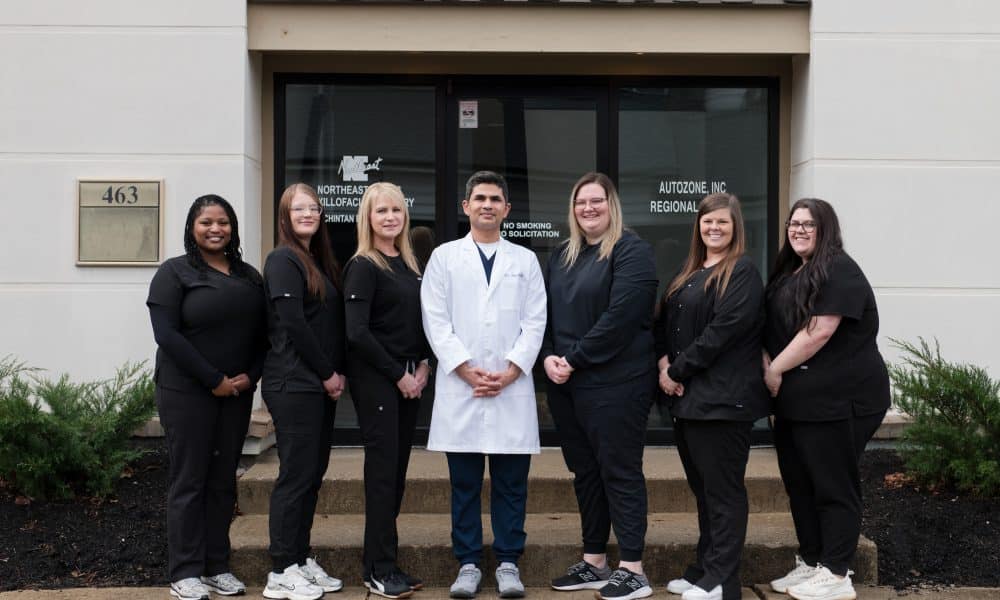
Many adults with missing teeth are candidates for dental implants if they have healthy gum tissue and sufficient jaw bone to support the implant. During your consultation, Dr. Patel evaluates bone structure, medical history, and overall oral health to determine whether implant placement is appropriate. In some cases, procedures such as bone grafting may help prepare the area for successful treatment.
What happens if a missing tooth is not replaced with a dental implant?
When a missing tooth is not replaced, the surrounding bone can gradually shrink due to lack of stimulation. Over time, this bone loss may affect nearby teeth, facial structure, and overall oral function. Dental implants help preserve the jawbone and maintain stability within the mouth.
Are dental implants safe?
Dental implants have been used for decades and are considered a reliable tooth replacement option when planned and placed carefully. Modern imaging, surgical planning, and specialized training help oral surgeons perform implant procedures with a strong focus on safety and long-term success.
How do I care for dental implants after treatment?
Dental implants are cared for much like natural teeth. Brushing, flossing, and maintaining regular dental visits help protect the surrounding gum tissue and support long-term implant stability. Your dental team will also provide specific instructions following implant placement to support proper healing.
At what age can someone receive dental implants?
Dental implants are typically recommended once jaw growth is complete. This is usually in the late teenage years or adulthood. For younger patients with missing teeth, other temporary tooth replacement options may be considered until implant placement becomes appropriate.